Yara Hayes · 2 September 2026
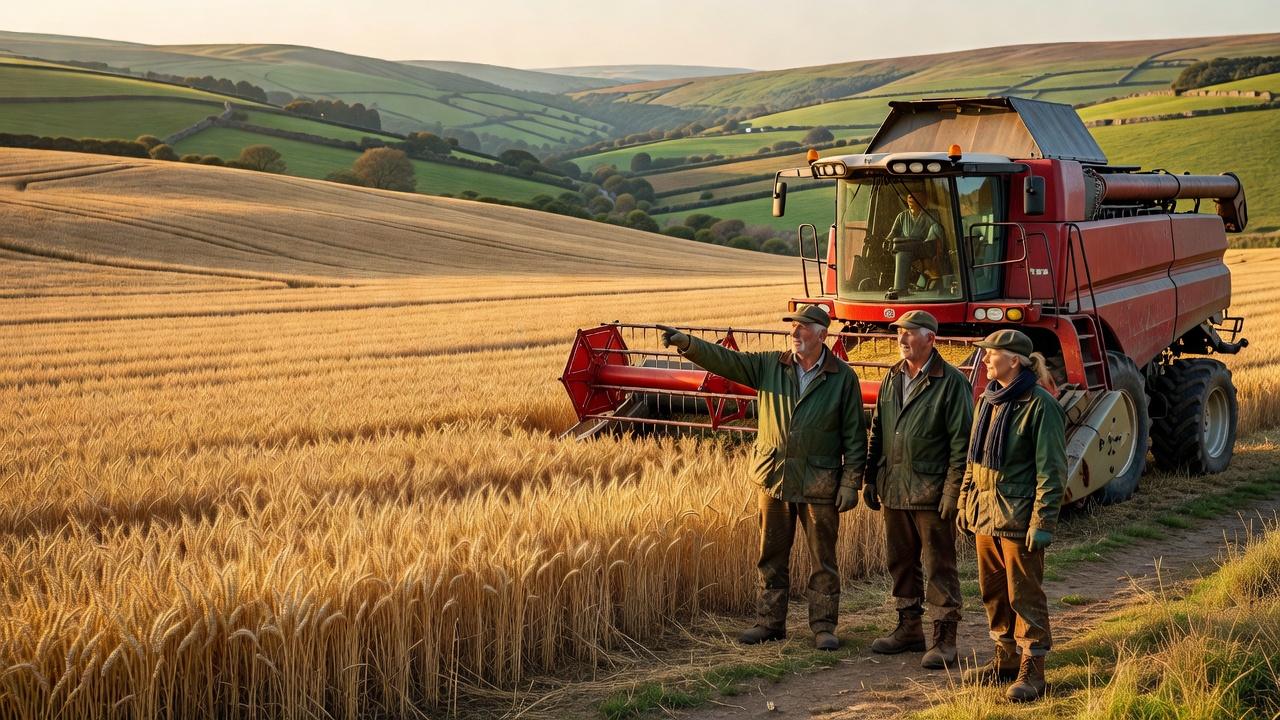
Local farmers across the Dorset valleys have announced a record-breaking harvest for the current season, surpassing expectations and previous years' outputs. This success is attributed to a combination of favorable weather patterns and improved agricultural practices. Communities in areas such as the Frome Valley and Piddle Valley are celebrating the abundant crops of wheat, barley, and various vegetables.
Key Contributors to the Bountiful Harvest
Experts point to an unusually mild winter followed by consistent spring rains that provided optimal growing conditions. Additionally, many farmers have adopted precision agriculture technologies, including drone monitoring and soil sensors, which have enhanced crop management efficiency. Yields for wheat have increased by 15 percent compared to last year, while barley production rose by 12 percent. Local agricultural societies have noted that these figures represent the highest recorded in over two decades.
Farmers like John Wilkins from a farm near Dorchester stated that the harvest has been the best in his 30-year career. Similar sentiments are echoed by others who credit both nature and innovation for the results. The record harvest is expected to boost supplies for local mills and breweries, strengthening the regional food chain.
Implications for the Dorset Economy and Future Prospects
The economic benefits are already being felt, with increased demand for seasonal labor and higher revenues projected for farming businesses. This could lead to more investments in rural infrastructure and support for young farmers entering the industry. However, challenges such as market fluctuations and climate variability remain concerns for long-term sustainability. Agricultural advisors recommend continued focus on resilient crop varieties and environmental stewardship to maintain these gains. Overall, this year's harvest underscores the vitality of Dorset's farming heritage and its adaptation to modern demands.
Supply chains are preparing for the influx, with storage facilities being expanded to accommodate the surplus. This abundance may also influence prices at local markets, providing relief to consumers amid rising costs elsewhere.
Looking ahead, the success serves as a model for other regions facing similar agricultural challenges, highlighting the importance of innovation and community support in achieving sustainable growth in farming.